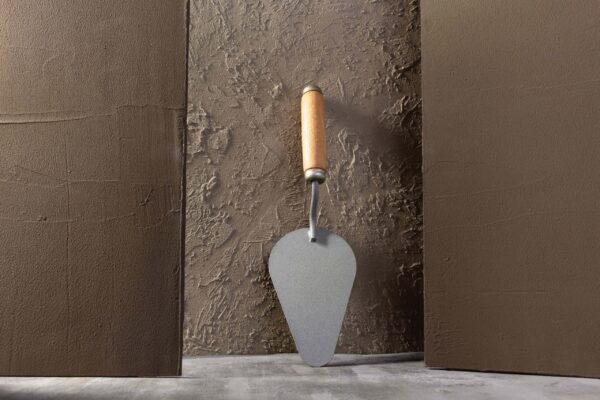
A silver trowel does not resemble an ordinary construction tool, although its shape is instantly recognisable. It is an object that was created for special occasions. It is associated not with labour, but with moments people wished to remember.
Such trowels were used at ground-breaking ceremonies, when important figures symbolically commenced construction. Over time, these objects ceased to be part of the event and became historical artefacts, preserving the memory of specific dates and people. Today, interest in them is growing because of the history behind them.
What is a silver trowel?
It is a decorative version of a construction tool. In practice, however, its purpose is quite different. Silver trowels were made specifically for ceremonial occasions. They could be made entirely of silver or have a silver plating. They were often decorated with engravings, and the handles were made of wood or other materials.
The main difference from an ordinary trowel is the absence of signs of use. These items were hardly ever used for their intended purpose, as their role was purely symbolic. The tradition of using such trowels emerged in the 19th century. At that time, the construction of public buildings was often accompanied by ceremonial events.
During the laying of the foundation stone, a guest of honour would apply mortar using a special trowel. Afterwards, the item would usually remain with them as a commemorative gift. The surface of the trowel was often engraved with the date, place and occasion of the event. Thanks to this, each piece became unique and linked to a specific story.
Materials and Craftsmanship
Silver trowels can vary greatly from one another. This depends on when they were made, the craftsman, and the occasion itself. Even items that look similar may have different values. Key features:
- a blade made of silver or silver-plated
- handles made of wood, bone or ebony
- engraving with a commemorative inscription
- decorative elements – gilding, enamel
Each trowel was crafted individually. Even small differences can reveal a great deal about its origins. The trowel symbolises a beginning. It is a sign that something is just coming into being – a building, a project or an idea. At the moment of the ceremony, it becomes part of an important event that matters to society.
In some traditions, the trowel is associated with the ideas of unity and collective labour. For this reason, such objects were often used not only at official ceremonies but also within private communities. The engraving reinforces this significance. It transforms the object into a kind of document that captures a specific moment in time.
Why collectors value them
The interest in silver trowels is not solely down to their appearance. Before listing the reasons, it is worth understanding that value is determined not by a single factor, but by a combination of several.
What influences the value:
- the historical significance of the event
- the quality of craftsmanship
- the condition of the item
- the presence of the original case
- the uniqueness of the inscription
After this, collectors usually delve deeper into the history. If a trowel is linked to a famous event or a specific person, its value can increase significantly. It is the history that makes an item truly rare, even if it looks quite simple.
Examples from the past
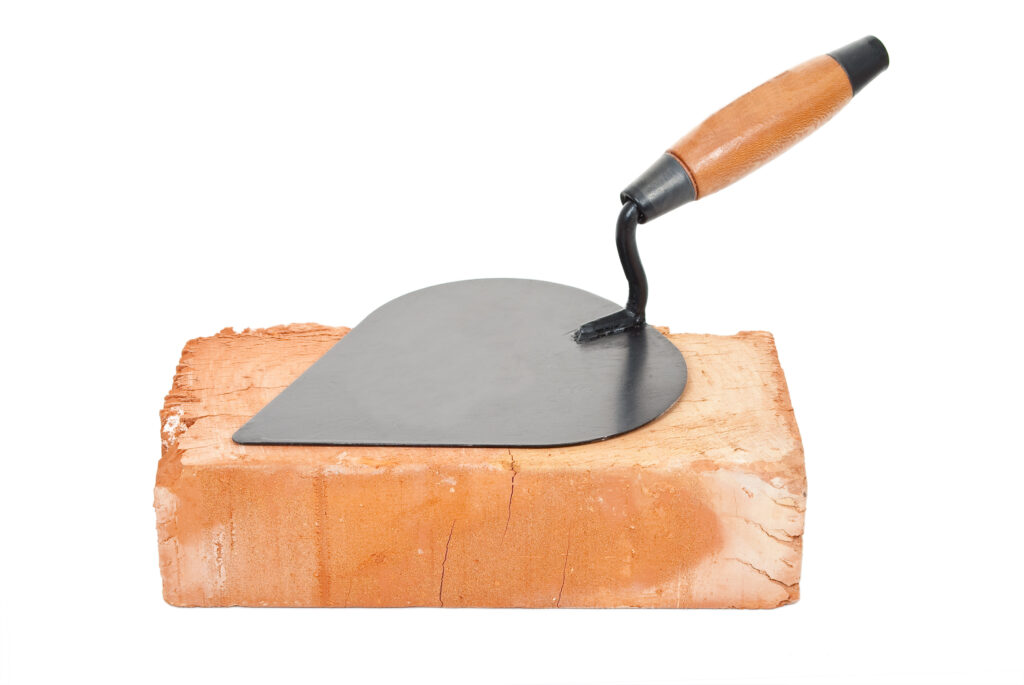
Surviving examples show just how varied such trowels can be. Some feature detailed engravings indicating the date and event. Others look more understated, yet still hold historical value.
There are also more decorative versions – featuring enamel, intricate designs and unusual shapes. They reflect the taste of their era and the level of craftsmanship of the jewellers. There are also later examples, crafted in a simpler style. These may have been created with future ceremonies in mind or as versatile keepsakes.
When an object becomes history
A silver trowel is not just a beautiful object. It is a piece of history captured in metal. It serves as a reminder of the moment a building’s construction began or of an event of significance to society. This connection to the past is what makes such items special. For collectors, they are of interest both as silver artefacts and as bearers of human stories that cannot be repeated.
Comments are closed